



.svg)

Can Biomimetic Dentistry Prevent Root Canals?
Root canals have a reputation that precedes them. Even patients who've never had one tend to approach the idea with a fair amount of dread. But what if the more important conversation wasn't about how to get through a root canal, but about how to avoid needing one in the first place? That's exactly where biomimetic dentistry comes in, and it's an approach that's quietly changing the way forward-thinking dental practices think about treating damaged and decayed teeth.
At Willerby Dental Care, we believe that preserving as much of your natural tooth structure as possible is always the right goal. Biomimetic dentistry gives us additional tools to work toward that goal, and for many patients it genuinely does mean avoiding more invasive treatment further down the line.
What Is Biomimetic Dentistry?
The word biomimetic comes from two roots: bio, meaning life, and mimetic, meaning to imitate. In dentistry, biomimetic simply means treating teeth in a way that mimics their natural structure, properties, and behaviour as closely as possible.
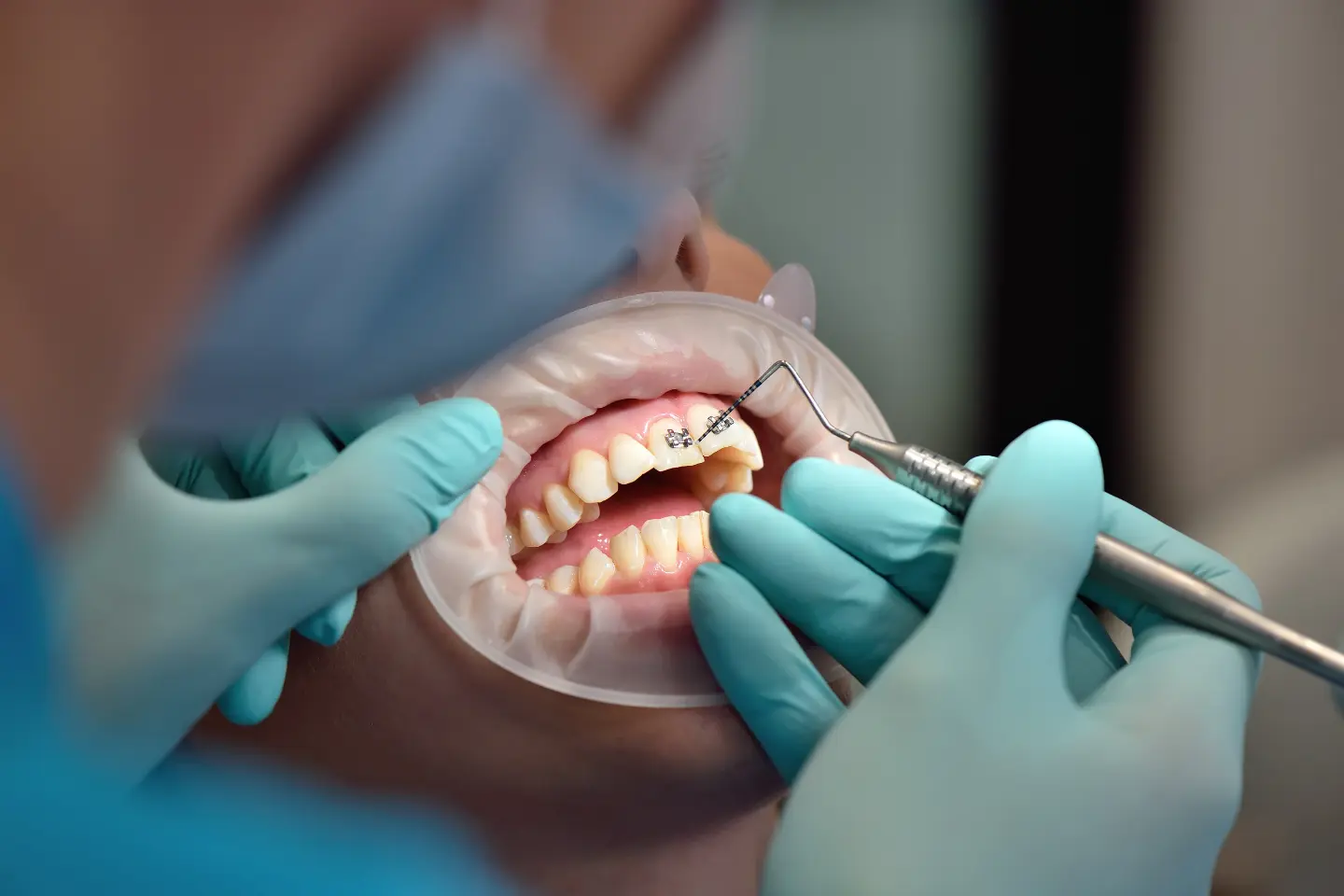
Dentistry has always sought to restore teeth as effectively as possible, and biomimetic dentistry builds on that foundation by taking an even closer look at how natural teeth behave and using that understanding to guide treatment decisions. Rather than simply filling the space left by decay or damage, it prioritises keeping as much healthy natural tooth structure intact as possible, and then restoring what needs restoring in a way that behaves like the original tooth.
This philosophy shapes everything from how decay is removed to how restorations are bonded and what materials are chosen. The result is treatment that works closely with the natural tooth structure, placing as little stress as possible on what remains.
Understanding How Teeth Can Progress Toward Needing a Root Canal
To understand why biomimetic dentistry can reduce the likelihood of needing a root canal, it helps to understand how teeth can deteriorate over time even after treatment.
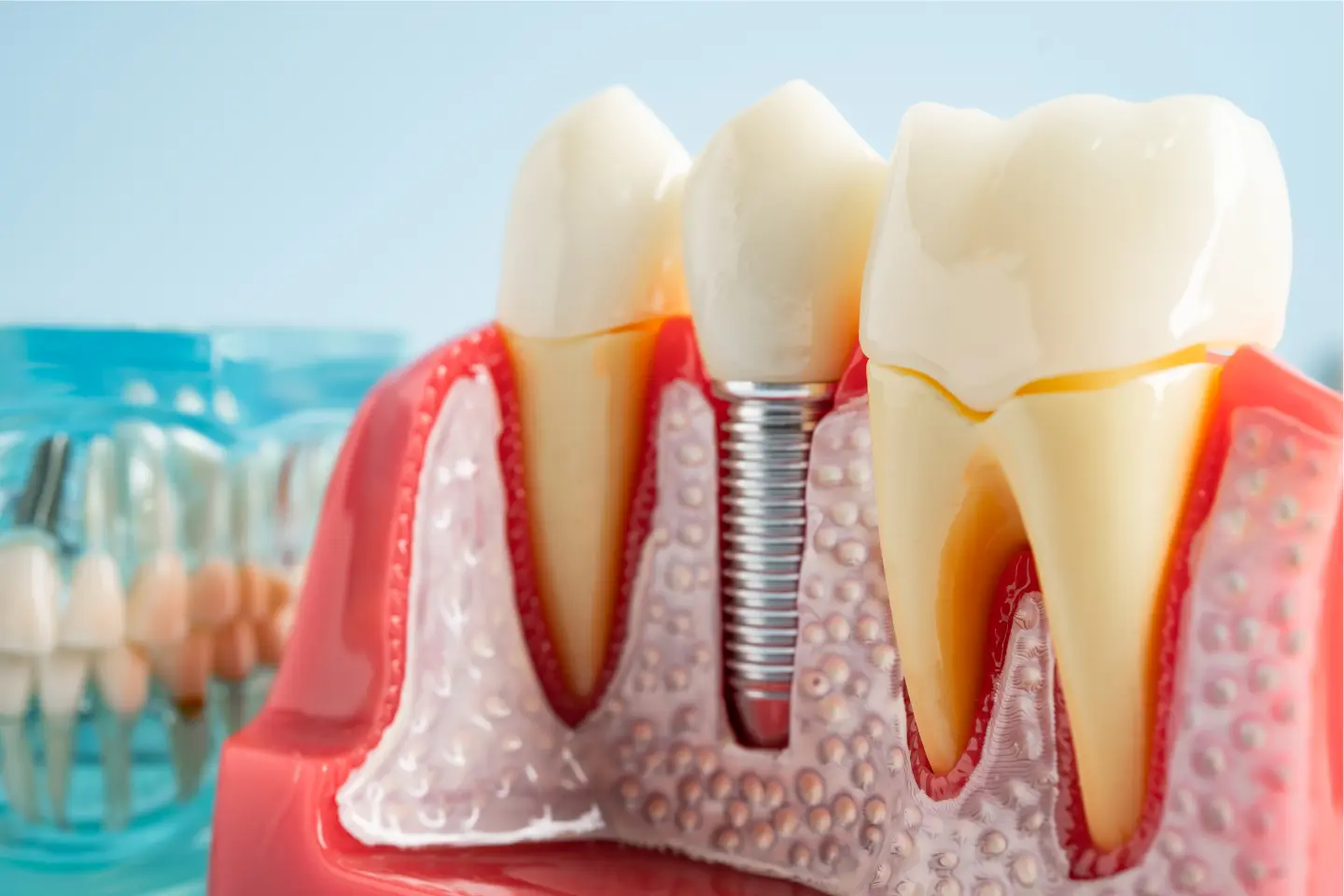
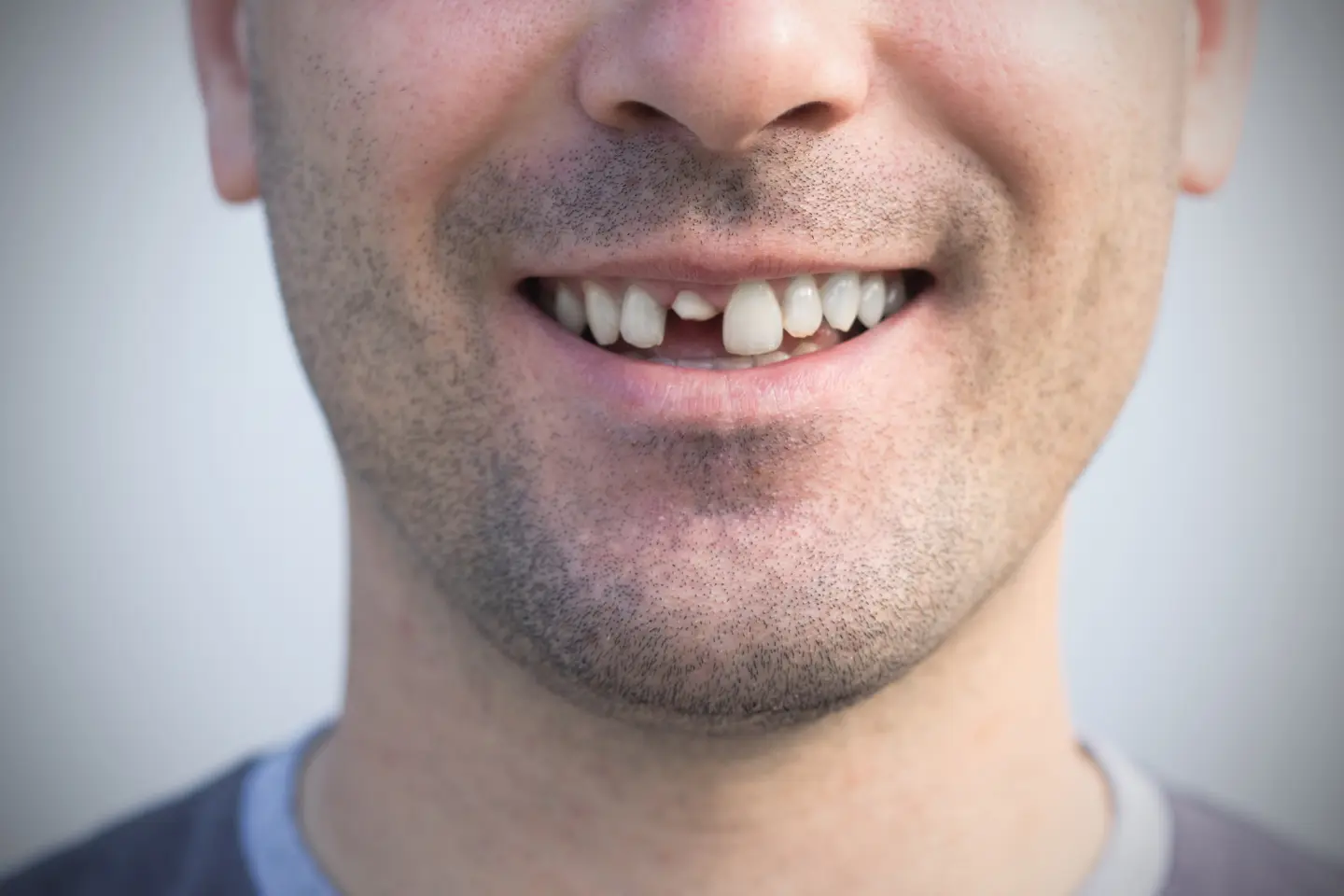
When a tooth develops a cavity, restoring it with a filling is a well-established and effective solution. However, as teeth are treated and retreated over the years, the cumulative effect of decay, repair, and the natural forces of biting and chewing can place increasing stress on the remaining tooth structure. Over time, tiny cracks can develop and spread, potentially allowing bacteria to work their way deeper into the tooth. If bacteria eventually reach the pulp at the centre of the tooth, a root canal may become necessary.
How Biomimetic Dentistry Helps Protect the Tooth Pulp
The pulp is the living inner tissue of the tooth, containing nerves and blood vessels. Keeping the pulp healthy is what keeps the tooth alive, and a living tooth is always preferable to one that requires root canal treatment, however well that treatment is performed.
Biomimetic dentistry incorporates techniques specifically designed to protect the pulp during restorative work. One of the most significant is a carefully conservative approach to removing decay that is close to the pulp boundary. Specialised materials are used to seal the area and encourage the tooth to produce its own reparative dentine, essentially supporting the tooth in healing itself from within.
For teeth where decay has progressed close to but not yet into the pulp, this approach can mean the difference between a conservative restoration and the need for more extensive treatment. It's an area where biomimetic principles add genuine value alongside established dental care.
The Role of Bonding and Stress Distribution in Biomimetic Treatment
Another key principle of biomimetic dentistry is the way restorations are bonded to the remaining tooth structure. Natural teeth flex very slightly under the pressure of biting and chewing. That flex is an important part of how they absorb and distribute forces without fracturing.
Biomimetic restorations use advanced adhesive bonding techniques and carefully selected materials that more closely mimic the mechanical properties of natural enamel and dentine. The aim is for the restoration to move with the tooth rather than create points of concentrated stress within it, which reduces the risk of micro-fractures developing over time.
For patients who have had a tooth restored several times and are beginning to experience sensitivity or notice changes, biomimetic techniques offer a thoughtful way to approach the next stage of that tooth's care with its long-term health firmly in mind.
Is Biomimetic Dentistry Suitable for Everyone?
Biomimetic dentistry is not a single procedure but rather an approach and philosophy that can be applied across a range of treatments. Most patients with decayed or damaged teeth who still have healthy pulp tissue are well suited to biomimetic techniques. The earlier treatment is sought, the more options biomimetic dentistry can offer, which is another reason why regular checkups at Willerby Dental Care matter so much.
For teeth where decay has already reached the pulp or where infection is present, a root canal remains an important and effective treatment. Biomimetic dentistry works alongside conventional care rather than replacing it, and for many patients the two approaches complement each other well. What biomimetic principles offer is a way to treat teeth earlier and more conservatively, reducing the likelihood of reaching a point where more extensive intervention becomes necessary.
A Thoughtful Approach to Preserving Your Natural Teeth
The best dental outcome is always one that keeps as much of your natural tooth intact as possible for as long as possible. Biomimetic dentistry is built around exactly that principle, and for patients who want a careful, considered approach to their restorative care, it's an option well worth exploring.
At Willerby Dental Care, we're committed to offering our patients the most thoughtful and effective approaches available, combining the best of established dental care with the additional benefits that biomimetic principles bring. If you'd like to find out more about biomimetic dentistry and whether it might be right for your teeth, we'd love to have that conversation.
Get in touch today to book a consultation. Your natural teeth are worth preserving, and we're here to help you do exactly that.
Frequently Asked Questions About Biomimetic Dentistry
Q: Is biomimetic dentistry widely available in the UK?
A: Biomimetic dentistry is a growing area of practice in the UK, though not every dental practice offers it as a specific approach. At Willerby Dental Care, we incorporate biomimetic principles into our restorative work because we believe it supports better long-term outcomes for patients. If you're interested in this approach, it's worth asking your dentist directly about how these principles are applied in their treatment planning.
Q: Does biomimetic dentistry cost more than conventional treatment?
A: Biomimetic treatment can sometimes involve a higher initial cost due to the materials and techniques involved. However, when viewed over the longer term, teeth treated with biomimetic principles in mind often require less retreatment, which can mean lower overall costs across the course of a patient's dental care. Your dentist will always discuss costs openly before any treatment begins.
Q: How is biomimetic dentistry different from a standard composite filling?
A: A standard composite filling is an effective and well-established restoration. Biomimetic treatment goes a step further by considering the mechanical behaviour of the whole tooth, using layered bonding techniques that more closely replicate the properties of natural dentine and enamel, and selecting materials based on how they interact with the remaining tooth structure. It's a more detailed approach that builds on the foundations of conventional restorative care.
Q: Can biomimetic techniques be used on teeth that have already had fillings?
A: Yes, in many cases. If an existing restoration is failing or causing ongoing sensitivity, replacing it using biomimetic techniques can provide a more stable long-term result. Your dentist will assess the current state of the tooth and advise whether a biomimetic approach is the right next step.
Q: Will biomimetic dentistry definitely mean I never need a root canal?
A: No approach can guarantee that. If decay is already advanced and the pulp has been affected, a root canal may still be the most appropriate clinical decision. What biomimetic dentistry does is give damaged teeth the best possible chance of remaining healthy when treatment begins early enough, and it actively works to reduce the likelihood of needing more extensive intervention over time.
Common questions
Click on any question below to see the full answer.

Still have questions?
Stay updated with dental
wellness tips
.jpeg)
.jpeg)





.webp)
.png)