



.svg)

Can Teeth Whitening Remove Deep Stains?
It's one of the most common questions we hear at Willerby Dental Care, and it's a completely fair one. You've noticed your teeth have darkened over the years, or perhaps there's a stubborn discolouration that's been there as long as you can remember, and you're wondering whether teeth whitening can actually do anything about it. The honest answer is that it depends on the type of staining involved, and understanding that difference is what sets realistic expectations and helps you choose the right treatment from the outset.
Why Not All Tooth Staining Is the Same
Before getting into what whitening can and can't do, it's worth understanding that tooth discolouration falls into two quite distinct categories, and the type you're dealing with has a direct bearing on how well whitening will work.
Surface staining, known clinically as extrinsic staining, sits on the outer layer of the tooth. It builds up gradually from food, drinks, and habits like smoking. Tea, coffee, red wine, berries, and dark sauces are among the most frequent contributors, and this kind of staining is what most people are referring to when they talk about wanting whiter teeth. Extrinsic staining responds very well to professional whitening treatment.
Intrinsic staining is a different matter entirely. This type of discolouration originates from within the tooth structure itself rather than on its surface. It can result from certain antibiotics, particularly tetracycline taken during childhood when teeth were still developing, excessive fluoride exposure during development, trauma to a tooth, or simply the natural ageing process where the inner part of the tooth gradually darkens over time. Intrinsic staining is considerably more stubborn, and while whitening can make a meaningful improvement in many cases, very deep intrinsic discolouration may not respond fully to whitening alone.
Knowing which type of staining you're dealing with is the starting point for any whitening conversation at Willerby Dental Care, and it's something assessed during your consultation before any treatment is recommended.
What Professional Teeth Whitening Actually Does
Professional whitening works by using a peroxide-based gel that penetrates the enamel and breaks down the compounds responsible for discolouration within the tooth. This is fundamentally different from whitening toothpastes, which work only on the surface and rely on mild abrasives rather than any chemical lightening process.
The strength of the whitening gel used in professional treatment is significantly higher than anything available over the counter, which is why the results are so much more noticeable. And because professional whitening is prescribed and overseen by a qualified dental team, it's applied in a controlled and safe way that minimises the risk of sensitivity or uneven results.
At Willerby Dental Care, we offer both in-surgery whitening and take-home whitening options, and understanding what each one involves helps you decide which approach is the right fit for your situation.
In-Surgery Whitening: Faster, More Immediate Results
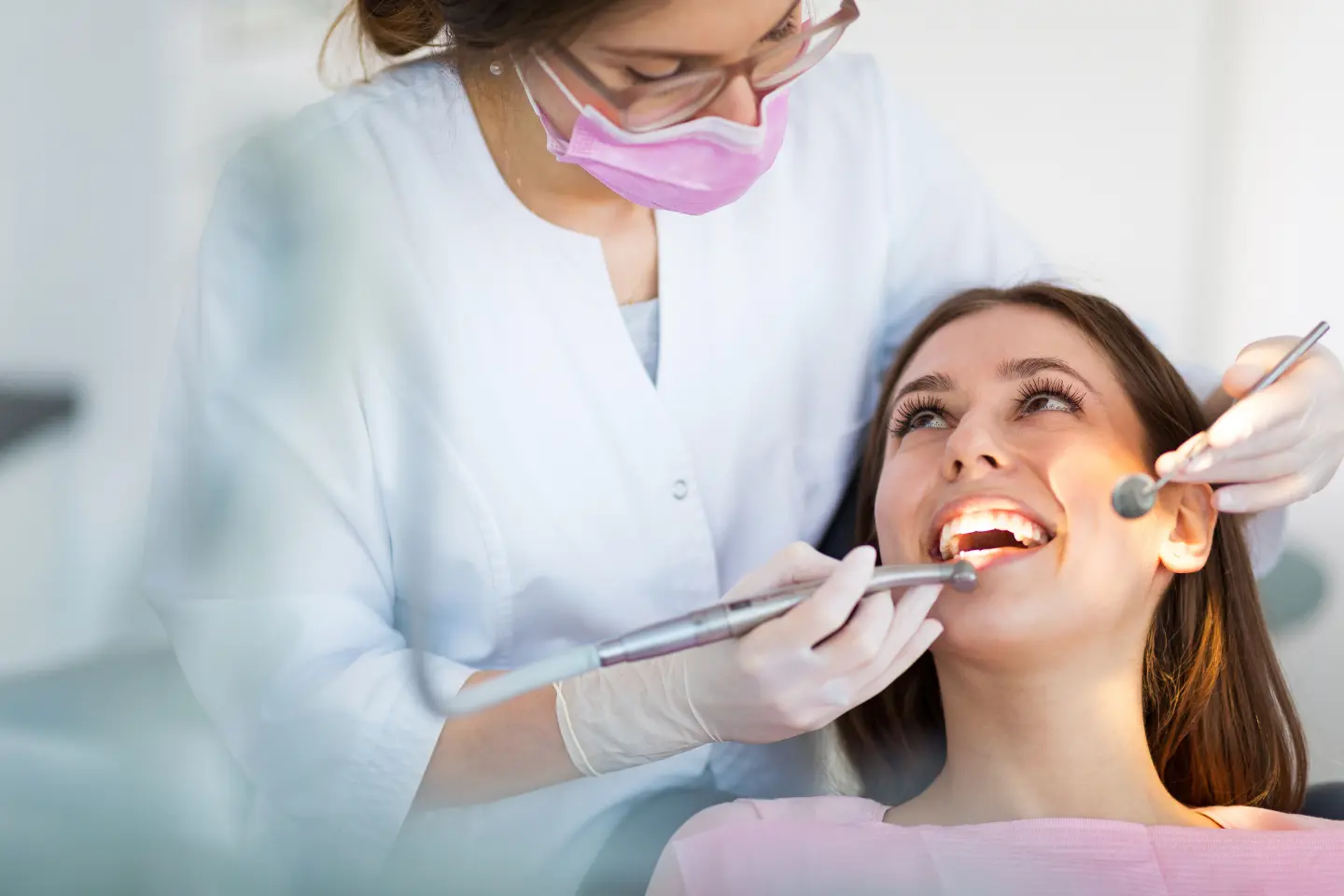
In-surgery whitening is carried out entirely at the practice in a single appointment, typically lasting around an hour to an hour and a half. A professional-strength whitening gel is applied directly to the teeth under carefully controlled conditions, and the results are visible immediately after the session.
For patients with surface staining or moderate discolouration, in-surgery whitening produces a dramatic improvement in a very short space of time. It's an excellent option if you have an occasion coming up, a holiday planned, or you simply want to see results without waiting several weeks. The fact that everything is done in one visit and monitored throughout by the dental team also makes it the most supervised and controlled form of whitening available.
For deeper staining, in-surgery whitening alone may not achieve the full result you're hoping for, and it's often recommended in combination with a take-home course to maximise and maintain the outcome.
Take-Home Whitening: Gradual, Flexible, and Highly Effective
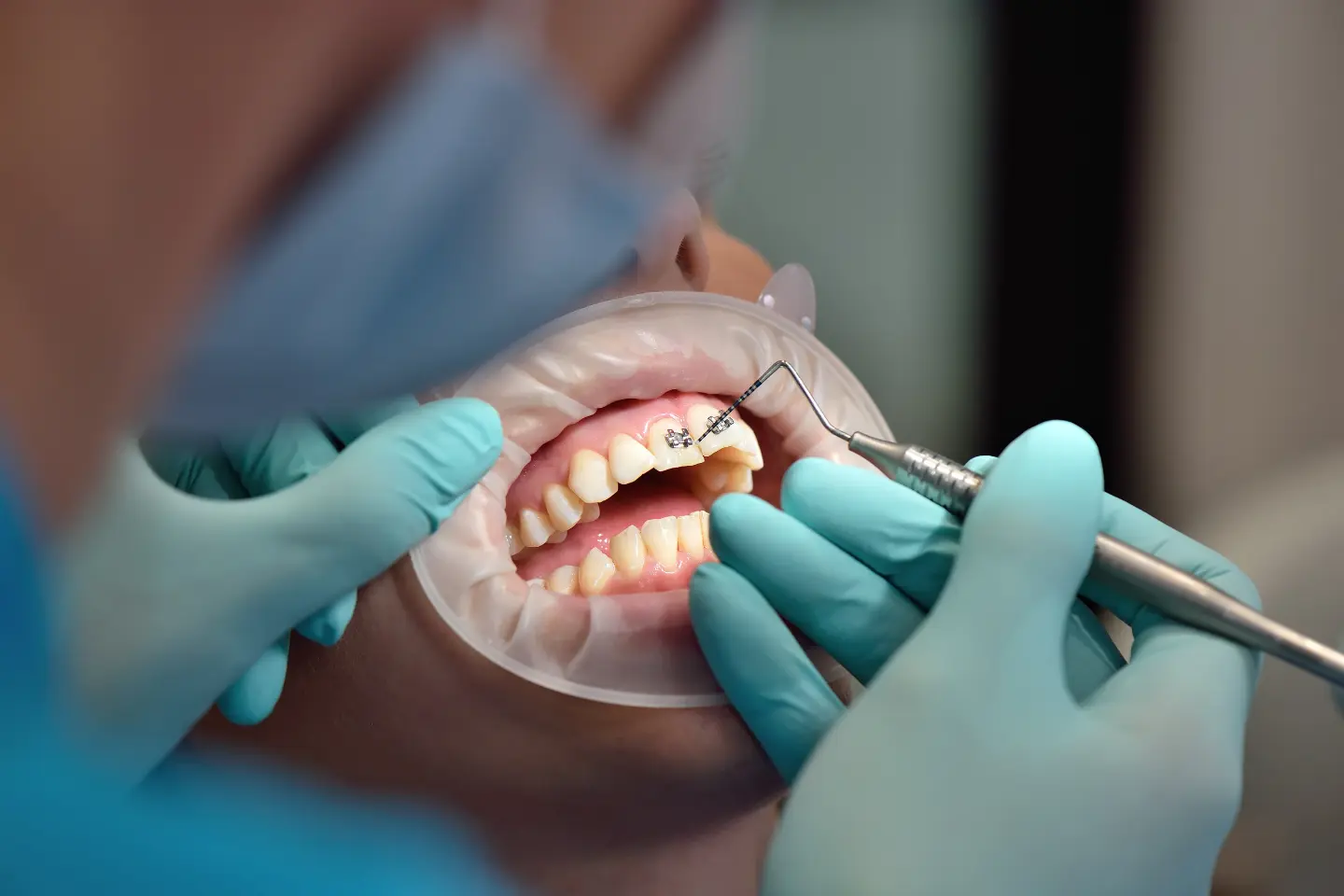
Take-home whitening works differently but delivers results that are just as impressive for the right patient. Custom-fitted trays are made from precise impressions of your teeth taken at the practice, ensuring the whitening gel sits evenly against every tooth surface throughout treatment. Generic strips from the chemist can't replicate this, which is a big part of why professional take-home systems produce such consistently better outcomes.
The trays are worn for a set period each day or overnight, depending on the system prescribed, over the course of a few weeks. The gel works gradually to lift discolouration from within the tooth structure, and most patients notice a clear difference within the first week of treatment.
Take-home whitening is particularly well suited to patients whose staining is more entrenched and who benefit from the extended contact time the trays allow. For certain types of deeper staining that don't respond quickly to a single in-surgery session, the prolonged daily exposure of a take-home course can achieve results that a one-off appointment alone cannot.
Your custom trays are also yours to keep after treatment, which means top-up whitening in the future is simply a matter of purchasing additional gel from Willerby Dental Care rather than starting the whole process again.
When Whitening Has Its Limits
Being straightforward about the limitations of whitening is something we think matters. For very deep intrinsic staining, particularly severe tetracycline discolouration or significant darkening from trauma, whitening may produce only partial improvement regardless of the system used or how long treatment continues. In those cases, cosmetic options such as veneers or bonding may be the more appropriate route to achieving the result you're after.
Whitening also only affects natural tooth enamel. Crowns, veneers, bridges, and white fillings will not change colour during whitening treatment and will remain at their existing shade while the natural teeth around them lighten. If you have visible restorations in your smile, this is an important consideration to discuss at your consultation.
None of this means whitening isn't worth pursuing. For the vast majority of patients, it delivers genuinely impressive results. It simply means going in with an accurate picture of what's achievable for your specific situation, which is exactly what your consultation at Willerby Dental Care is designed to provide.
Find Out What Whitening Can Do for Your Smile at Willerby Dental Care
Whether you're dealing with years of surface staining from tea and coffee or something deeper that's been bothering you for a long time, the best first step is a proper conversation with the team at Willerby Dental Care. We'll take an honest look at what's causing your discolouration, talk you through whether in-surgery or take-home whitening is the better fit, and set expectations that are realistic rather than optimistic.
Teeth whitening genuinely changes how people feel about their smile. We'd love to help you find out what it can do for yours.
Get in touch today to book your consultation. A brighter smile might be closer than you think.
Frequently Asked Questions About Teeth Whitening and Deep Stains
Q: Can teeth whitening remove tetracycline staining?
A: Tetracycline staining is one of the more challenging types of intrinsic discolouration to treat because it originates deep within the tooth structure and often presents as grey or brown banding. Whitening can make a noticeable improvement in milder cases, particularly with a prolonged take-home course. Severe tetracycline staining may not respond fully to whitening alone, and veneers are sometimes a more effective solution. Your dentist will assess the staining at your consultation and give you an honest picture of what whitening is likely to achieve.
Q: How many shades lighter can professional whitening make my teeth?
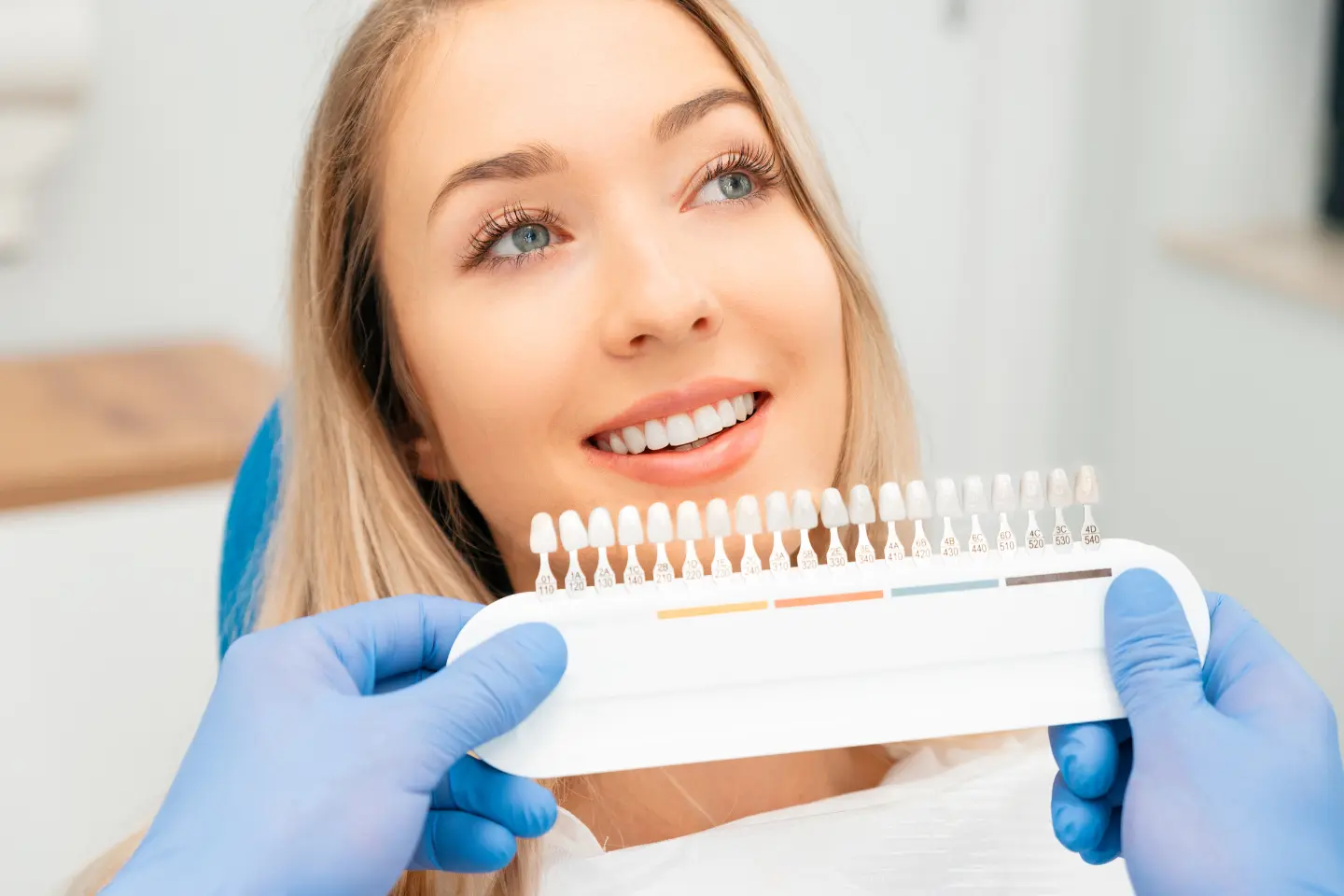
A: Results vary from patient to patient depending on the natural shade of the teeth, the type and depth of staining, and the whitening system used. Most patients see their teeth lighten by several shades, which is a very visible difference in person. During your consultation at Willerby Dental Care, we'll give you a realistic sense of the outcome to expect based on your individual starting point rather than a generalised promise.
Q: Does whitening work on a single darkened tooth?
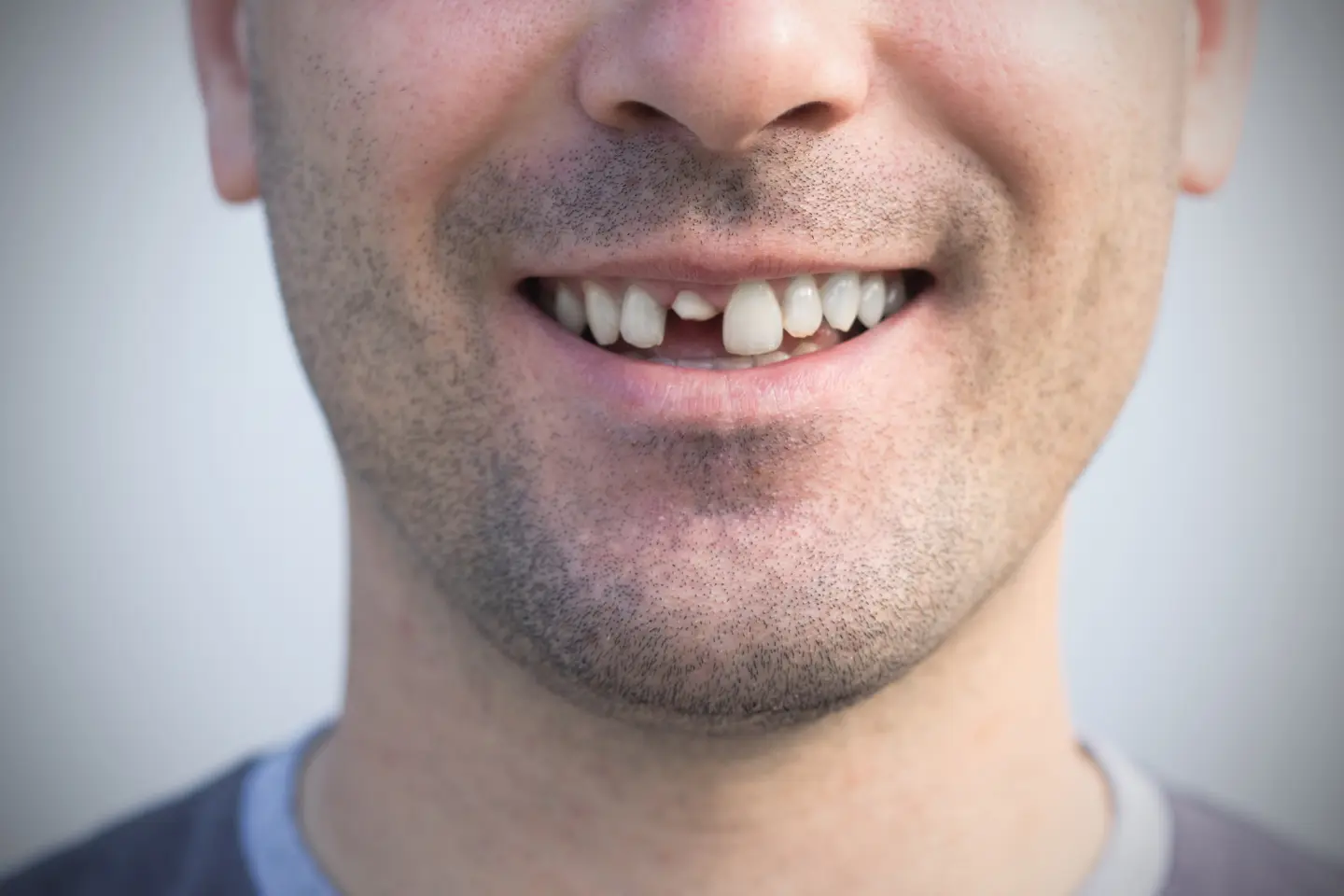
A: A single darkened tooth is often the result of trauma or a previous root canal treatment, which means the discolouration is intrinsic and coming from within that specific tooth. Standard whitening trays treat all the teeth together and may not effectively address one isolated dark tooth. There are specialist techniques for whitening individual teeth from the inside, which your dentist can discuss with you if this is relevant to your situation.
Q: How long do whitening results last after treatment?
A: Professional whitening results typically last anywhere from one to two years, depending largely on diet and lifestyle habits. Tea, coffee, red wine, and smoking are the main contributors to staining returning over time. Keeping your custom trays and using them for occasional top-ups is the most effective way to maintain your results between full treatment courses.
Q: Is professional teeth whitening safe for sensitive teeth?
A: Sensitivity during or after whitening is a common and temporary side effect that settles on its own within a day or two. Professional systems used at Willerby Dental Care are formulated to minimise this, and there are additional measures available for patients who are particularly prone to sensitivity. Let us know at your consultation, and we'll factor that into your treatment plan from the start.
Common questions
Click on any question below to see the full answer.

Still have questions?
Stay updated with dental
wellness tips
.jpeg)








.webp)
.png)