



.svg)

What Happens If You Wear Poorly Fitting Dentures?
Dentures that don't fit properly are more than just an inconvenience. For many people, ill-fitting dentures become something they simply put up with, assuming a degree of discomfort or instability is just part of wearing them. If your dentures have been feeling less secure than they once did, or if they never felt quite right to begin with, this is worth reading.
Why Do Dentures Stop Fitting Properly Over Time?
Understanding why dentures become ill-fitting helps explain why this is such a common issue and why it's not simply a matter of getting used to them.
When natural teeth are lost, the jawbone beneath them gradually changes shape. This happens because the bone no longer receives the stimulation it once got from tooth roots during chewing, and without that stimulation it begins to resorb, essentially shrinking over time. This process is ongoing, and it means that dentures which fitted well when they were first made will naturally become less well-fitted as the months and years pass.
This isn't a reflection of poor craftsmanship or anything the patient has done wrong. It's simply a biological reality of tooth loss that makes regular dental reviews and occasional denture adjustments an important part of long-term denture care.
How Poorly Fitting Dentures Cause Mouth Sores and Gum Irritation
One of the most immediate and noticeable consequences of ill-fitting dentures is the effect on the soft tissues of the mouth. When dentures don't sit securely, they move around during speaking and eating, and that movement creates friction against the gums and the inside of the cheeks.
That friction leads to soreness, irritation, and in more persistent cases, the development of mouth sores that can be genuinely painful and slow to heal. Some patients develop a condition called denture stomatitis, where the tissue beneath the denture becomes chronically inflamed and red. This isn't just uncomfortable. Inflamed tissue is more vulnerable to infection, and ongoing irritation of the same areas repeatedly is something that always warrants professional attention.
If you're finding yourself applying denture adhesive more and more frequently to manage movement, or if you're consistently sore at the end of the day, those are clear signals that the fit needs to be assessed.
The Impact of Loose Dentures on Eating and Nutrition
Most people don't fully appreciate how significantly ill-fitting dentures affect eating until they reflect on how much their diet has quietly changed. Poorly fitting dentures make chewing difficult, unpredictable, and sometimes painful, and the natural response is to gravitate toward softer, easier-to-manage foods.
Over time, this can mean cutting out foods that are nutritionally important. Harder fruits and vegetables, lean meats, nuts, and wholegrains all become difficult or impossible to eat comfortably when dentures are moving around or causing pain. The dietary restrictions that follow can affect overall nutrition in ways that have real implications for general health, particularly in older patients for whom nutritional intake already deserves close attention.
Digestive health can also be affected. Proper chewing is the first stage of digestion, and when food isn't being chewed adequately because dentures make it too uncomfortable to do so properly, the digestive system has to work harder to compensate.
How Ill-Fitting Dentures Affect Your Speech and Confidence
The effect of poorly fitting dentures on speech is something patients often find particularly distressing because it affects everyday interactions in a very visible way. Dentures that slip or click during conversation make it difficult to speak clearly and confidently, and the self-consciousness that follows can lead people to withdraw from social situations they once enjoyed.
This impact on confidence and quality of life is something that doesn't always get the attention it deserves in clinical conversations, but it matters enormously to the patients experiencing it. Speaking clearly, laughing without worrying, and eating in company without anxiety are things everyone deserves to do comfortably, and ill-fitting dentures quietly erode all of them.
The Long-Term Effect of Poorly Fitting Dentures on Jawbone Health
This is perhaps the least visible consequence of ill-fitting dentures but one of the most significant in terms of long-term oral health. As mentioned earlier, jawbone resorption begins when natural teeth are lost. Wearing dentures that don't fit correctly can actually accelerate this process in certain areas where uneven pressure is being applied to the bone.
As the bone continues to change shape, the fit of the dentures deteriorates further, creating a cycle that becomes progressively harder to address. Significant bone loss over time can affect the overall structure of the lower face, contributing to a sunken appearance around the mouth that ages the face considerably.
It also has practical implications for future dental treatment. Patients who have experienced significant bone loss may find that their options for things like dental implants become more limited, or that additional preparatory work such as bone grafting becomes necessary before other restorative options can be pursued.
Regular reviews at Willerby Dental Care allow bone changes to be monitored and denture fit to be adjusted accordingly, which helps manage this process and keep the consequences as minimal as possible.
What Can Be Done About Poorly Fitting Dentures?
The reassuring thing is that poorly fitting dentures don't have to be something you simply live with. There are several routes to improving comfort, function, and confidence depending on how significantly the fit has changed and how long the issue has been present.
Denture relining is one of the most common solutions, where the fitting surface of the existing denture is reshaped to better reflect the current contours of the gum and bone. This can restore a much more secure and comfortable fit without the need for entirely new dentures.
In cases where dentures are significantly worn or have been in use for many years, new dentures made to current measurements may be the most appropriate recommendation. Modern denture materials and techniques produce restorations that are more comfortable, more natural-looking, and better fitted than many older appliances.
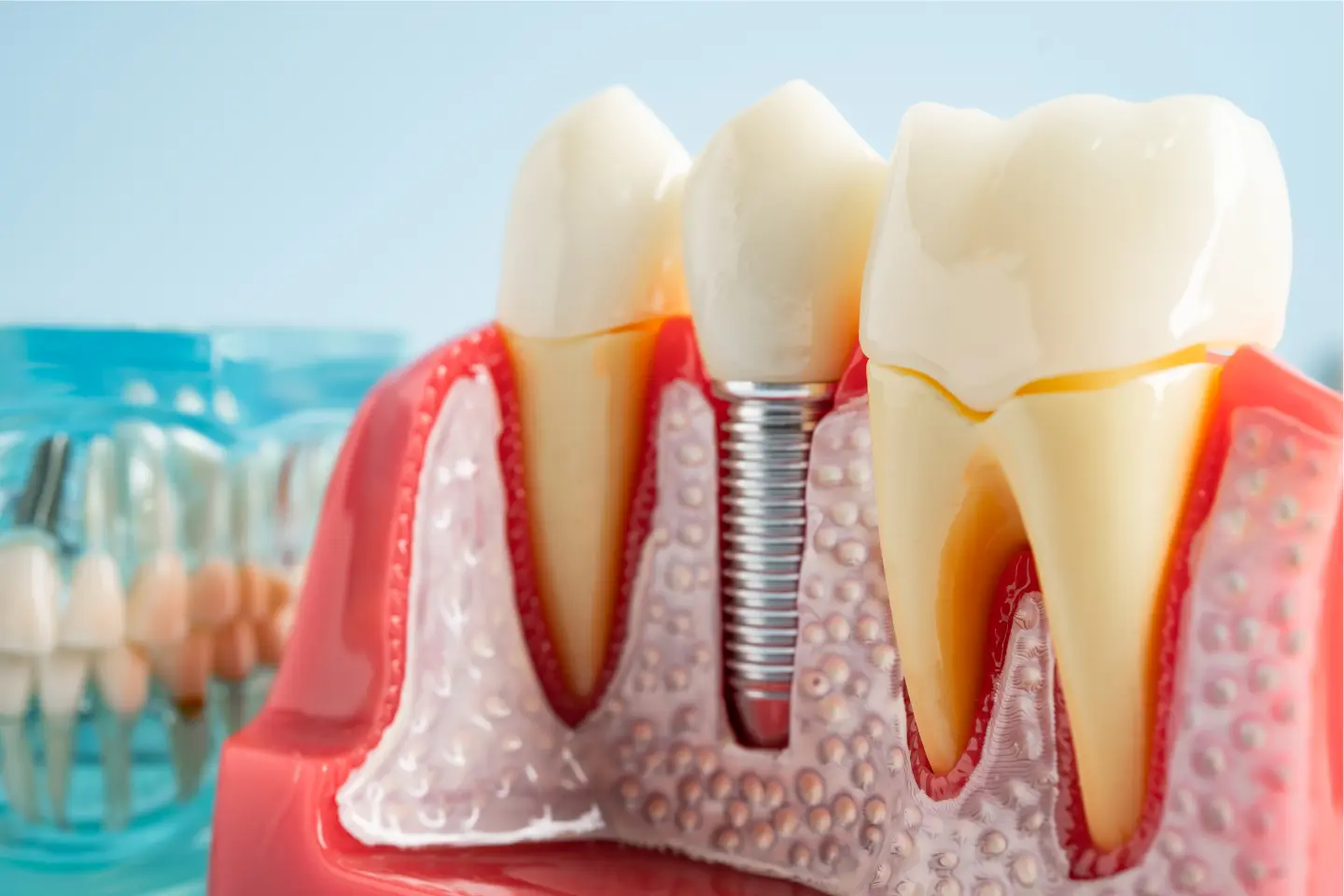
For patients looking for a more permanent solution to denture stability, implant-retained dentures are worth exploring. By attaching to dental implants placed in the jawbone, these dentures offer a level of security and confidence that conventional dentures simply cannot match, and they also help preserve the jawbone by restoring the stimulation it would otherwise be missing.
Don't Put Up With Dentures That Aren't Working for You
Poorly fitting dentures affect far more than just comfort. They affect what you can eat, how you speak, how you feel in company, and the long-term health of your jaw and facial structure. None of that is something you should simply accept as part of wearing dentures.
At Willerby Dental Care, we're here to help you find a solution that gives you back the comfort, confidence, and quality of life you deserve. Whether that means a reline, new dentures, or exploring implant-retained options, we'll give you honest, straightforward advice based on what we actually see.
Get in touch today to book a denture review. Comfortable, well-fitting dentures really do make all the difference.
Frequently Asked Questions About Poorly Fitting Dentures
Q: How do I know if my dentures need to be relined or replaced?
A: If your dentures are moving during eating or speaking, causing soreness, requiring increasing amounts of adhesive to stay in place, or if you've noticed changes in how your face looks around the mouth, it's time to book a review at Willerby Dental Care. These are all signs that the fit has changed and needs professional attention.
Q: How often should dentures be checked by a dentist?
A: Even if your dentures feel reasonably comfortable, an annual review is recommended. The jawbone continues to change over time regardless of how dentures feel day to day, and catching fit changes early makes them much easier to address. Regular reviews also allow the dentist to check the health of the gum tissue beneath the denture.
Q: Can denture adhesive fix a poorly fitting denture?
A: Denture adhesive can provide some short-term improvement in stability, but it isn't a solution to a fit problem. If you find yourself relying on adhesive consistently to keep your dentures in place, that's a signal the fit needs professional attention rather than a sign to use more adhesive. Persistent use of adhesive to compensate for a poor fit can mask changes that are better addressed sooner.
Q: Are implant-retained dentures suitable for everyone?
A: Most patients who have sufficient jawbone density are suitable candidates for implant-retained dentures. Patients who have experienced significant bone loss may require additional assessment and possibly bone grafting before implants can be considered. A thorough consultation at Willerby Dental Care will give you a clear picture of whether implant-retained dentures are a realistic option for your situation.
Q: Is it normal for new dentures to feel uncomfortable at first?
A: Some adjustment period with new dentures is entirely normal. The mouth takes time to adapt to a new appliance, and some initial awareness or mild soreness is expected. What shouldn't happen is persistent pain, significant movement, or sores that don't resolve within a couple of weeks. If new dentures aren't settling into comfort within a reasonable period, come back and let us take a look. Adjustments in the early stages can make a significant difference.
Common questions
Click on any question below to see the full answer.

Still have questions?
Stay updated with dental
wellness tips
.jpeg)







.webp)
.png)