



.svg)

Why Are My Teeth Sensitive? Causes, Treatments & When to See a Dentist

Why Are My Teeth Sensitive? Causes, Treatments & When to See a Dentist
If you flinch when you take a sip of hot coffee or feel a sharp sting while eating a bowl of ice cream, you are definitely not alone. Sensitive teeth are a very common problem that people of all ages deal with. For some, the pain is minor and only happens once in a while. For others, it can turn into a daily struggle that makes eating, drinking, and even brushing your teeth a chore.
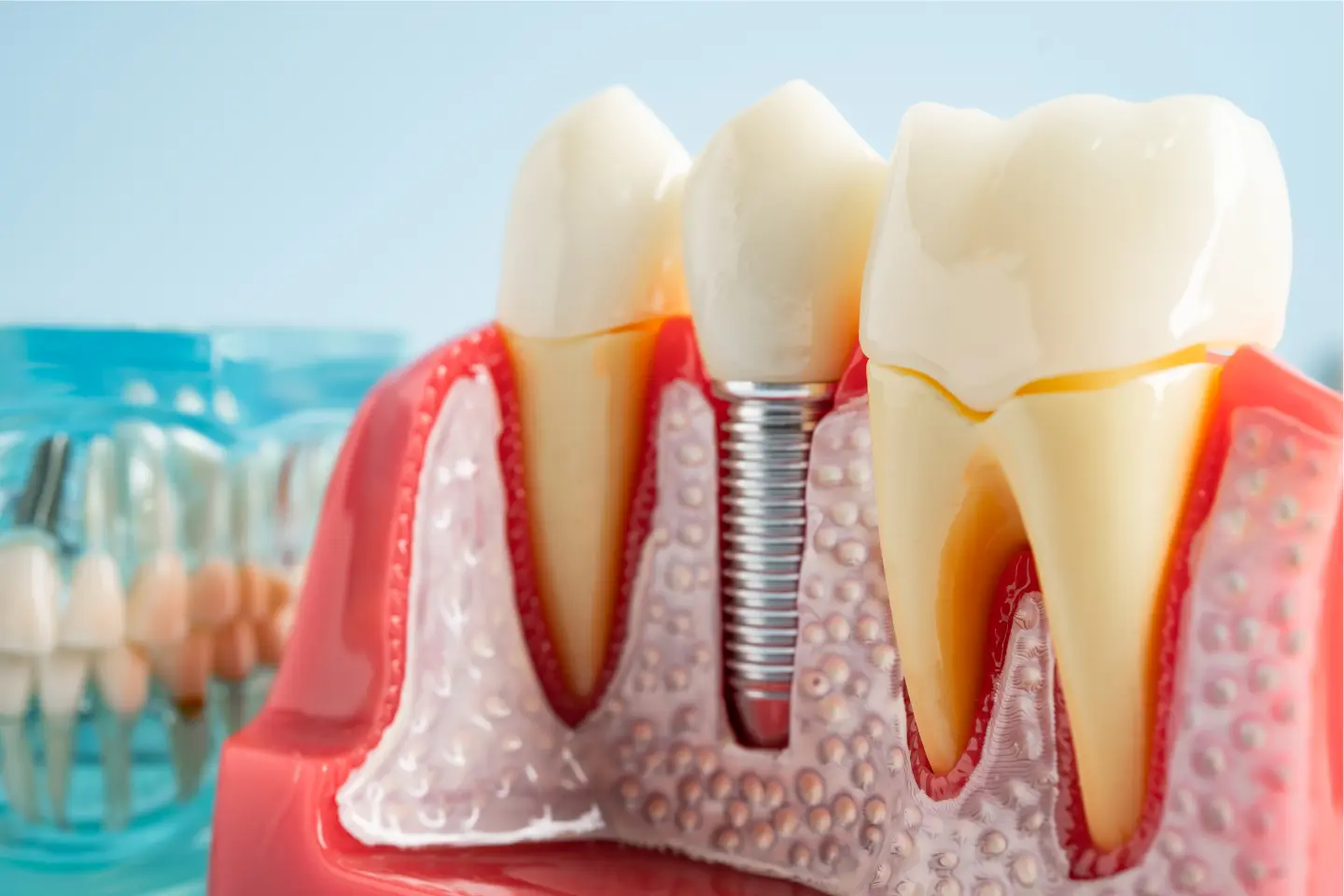
Tooth sensitivity usually happens when the hard outer surface of the tooth wears down or when your gums start to pull away. This exposes the softer layer underneath called dentine. This layer has tiny tubes that lead straight to the nerve inside the tooth. When these tubes are exposed, they react much more quickly to heat, cold, or certain foods.
It is important to understand why your teeth are acting up because sensitivity can sometimes be a warning sign of a bigger dental issue that needs a professional look. In this guide, we will break down the common reasons for the pain, ways to treat it, and when you should finally pick up the phone to call your dentist.
What Is Behind Sensitive Teeth and Sudden Pain?
There are many reasons why teeth get sensitive. Finding the specific cause is the only way to find a fix that actually works. Sometimes the sensitivity builds up slowly over years, and other times it seems to appear out of nowhere after a change in your diet or a dental procedure.
Here are the most common culprits:
Worn Down Enamel
Enamel is the tough outer shell that protects your teeth. Even though it is very strong, it can wear away if you brush too hard, eat a lot of acidic foods, drink too many fizzy sodas, or grind your teeth at night. Once that enamel gets thin, the dentine underneath is left wide open, leading to that sharp sensitivity.
Receding Gums
Your gums can naturally start to shrink or pull away as you get older, or because of gum disease or aggressive brushing. When the gums move, they leave the roots of your teeth bare. Unlike the top part of your tooth, the roots do not have a layer of enamel to protect them, so they are naturally much more sensitive.
Cavities and Tooth Decay
A cavity is basically a hole in your tooth that can reach the deeper, more sensitive layers. If you notice that one specific tooth hurts every time you eat something cold, there is a good chance you have some decay that needs to be filled.
Cracked or Broken Teeth
Even a tiny crack can allow temperature changes and bacteria to reach the nerve. These cracks are often so small that you cannot see them in the mirror, which is why a dental exam is so important if the pain does not go away.
Grinding Your Teeth
Many people clench or grind their teeth while they sleep without even realising it. This constant pressure can wear down your enamel and put a lot of stress on the structure of the tooth, leading to a dull ache or sharp sensitivity.
Recent Dental Work
It is very common to feel a bit of sensitivity after you get a filling, a professional cleaning, or a whitening treatment. This type of pain usually settles down within a few days. If it sticks around longer than that, you should let your dentist know.
Why Does Cold Food and Hot Drink Cause Sensitivity?
Feeling a jolt of pain from cold food is one of the most classic signs of sensitivity. The cold travels through those tiny open tubes in the dentine and shocks the nerve. Some people also find that very hot drinks, sugary snacks, or even a breath of cold winter air can trigger the same feeling.
You might describe the feeling as:
- A short, sharp shock.
- A lingering dull ache or tingling.
- Discomfort while you are trying to brush or floss.
- Pain that stays in one spot or moves across several teeth.
While this pain does not always mean your tooth is dying, you should not ignore it if it starts happening more often or if the pain gets more intense. Persistent sensitivity can be a signal of infection or deep decay.
Everyday Habits That Make Sensitivity Worse
Sometimes we hurt our teeth without even knowing it. Making a few small tweaks to your daily routine can often help lower the discomfort.
- If you use a lot of muscle when you brush, you are likely scrubbing away your enamel and hurting your gums. Use a soft-bristled brush and move in gentle circles rather than scrubbing back and forth.
- Foods like lemons, oranges, and pickles, along with drinks like wine and soda, can eat away at your enamel. If you do have something acidic, try rinsing your mouth with plain water afterwards to help neutralise the acid.
- Some over-the-counter whitening kits are very harsh. If you already have sensitive teeth, these products can make it much worse. It is always better to get whitening advice from a professional.
- If you let plaque build up, your gums will get inflamed and start to recede. Good oral hygiene is the best way to keep your gums right where they belong.
How to Treat the Sensitivity
The best way to treat the pain depends entirely on what is causing it.
- Special Toothpaste: There are many toothpastes made specifically for sensitive teeth. They work by blocking the tiny tubes in the dentine so the "signals" can't reach the nerve. You usually have to use them for a couple of weeks before you feel the full effect.
- Fluoride Gels: A dentist can apply a high-strength fluoride gel to your teeth. This helps strengthen the enamel and can act as a shield against sensitivity.
- Bonding or Fillings: If your sensitivity is caused by a crack or a cavity, a simple filling or a bit of dental bonding can seal the area and stop the pain instantly.
- Gum Care: If your gums are the problem, a deep cleaning or other gum treatments can help protect the exposed roots.
- Mouthguards: If you are a tooth-grinder, a custom-made night guard can take the pressure off your teeth and prevent further enamel wear.
- Root Canals: This is usually a last resort for very severe cases where the nerve is actually damaged or infected. It removes the source of the pain entirely while saving the tooth.
Simple Steps to Prevent Future Pain
You can take charge of your dental health by making a few changes:
- Switch to a soft toothbrush today.
- Use a toothpaste that contains fluoride.
- Try to limit how much soda or juice you drink.
- Keep up with your six-month dental cleanings.
- Don't skip flossing; it keeps your gums healthy and strong.
When to Book an Appointment
You don't need to run to the dentist for every tiny twinge, but you should definitely go if:
- The pain lasts for more than a few days.
- The pain is localised to just one tooth.
- You see any swelling or redness in your gums.
- It hurts when you bite down or chew.
- The sensitivity is so bad that it changes how you eat or drink.
At Willerby Dental Care, we see patients with sensitive teeth every single day. We can help figure out if your pain is just a minor annoyance or something that needs a quick fix. Our goal is to get you back to enjoying your favourite foods without having to worry about a sudden shock of pain.
If your teeth are bothering you, don't just wait for it to go away. Most dental issues are much easier (and cheaper) to fix when you catch them early. Give us a call or book a visit so we can help you get your comfort back.
Frequently Asked Questions
Q: Why does only one tooth hurt?
A: If only one tooth is sensitive, it usually means there is a specific problem there, like a new cavity, a loose filling, or a small crack.
Q: Is sensitivity permanent?
A: Not necessarily. Many people find that with the right toothpaste or a quick trip to the dentist, the sensitivity goes away almost completely.
Q: Can I still whiten my teeth if they are sensitive?
A: Yes, but you should do it under a dentist's supervision. We can use different strengths of whitening gel that are much easier on your teeth.
Q: Does gum disease always cause sensitivity?
A: Often, yes. As gum disease progresses, the gums pull away and leave the roots of your teeth unprotected, which almost always leads to sensitivity.
Q: What is the fastest way to stop the pain?
A: For immediate relief, avoiding very cold or hot foods is the first step. For a long-term fix, using a desensitising toothpaste twice a day is usually the most effective home remedy.
Common questions
Click on any question below to see the full answer.

Still have questions?
Stay updated with dental
wellness tips










.webp)
.png)