



.svg)


Reshape your teeth

Changing the shape of your teeth can be achieved through two main techniques: Composite Bonding (Composite veneers) or Ceramic veneers. Not to be confused with Teeth Straightening, which changes the position of your teeth. Both Composite Bonding and Ceramic Veneers are each designed to enhance your smile in their own unique way.
Composite Bonding
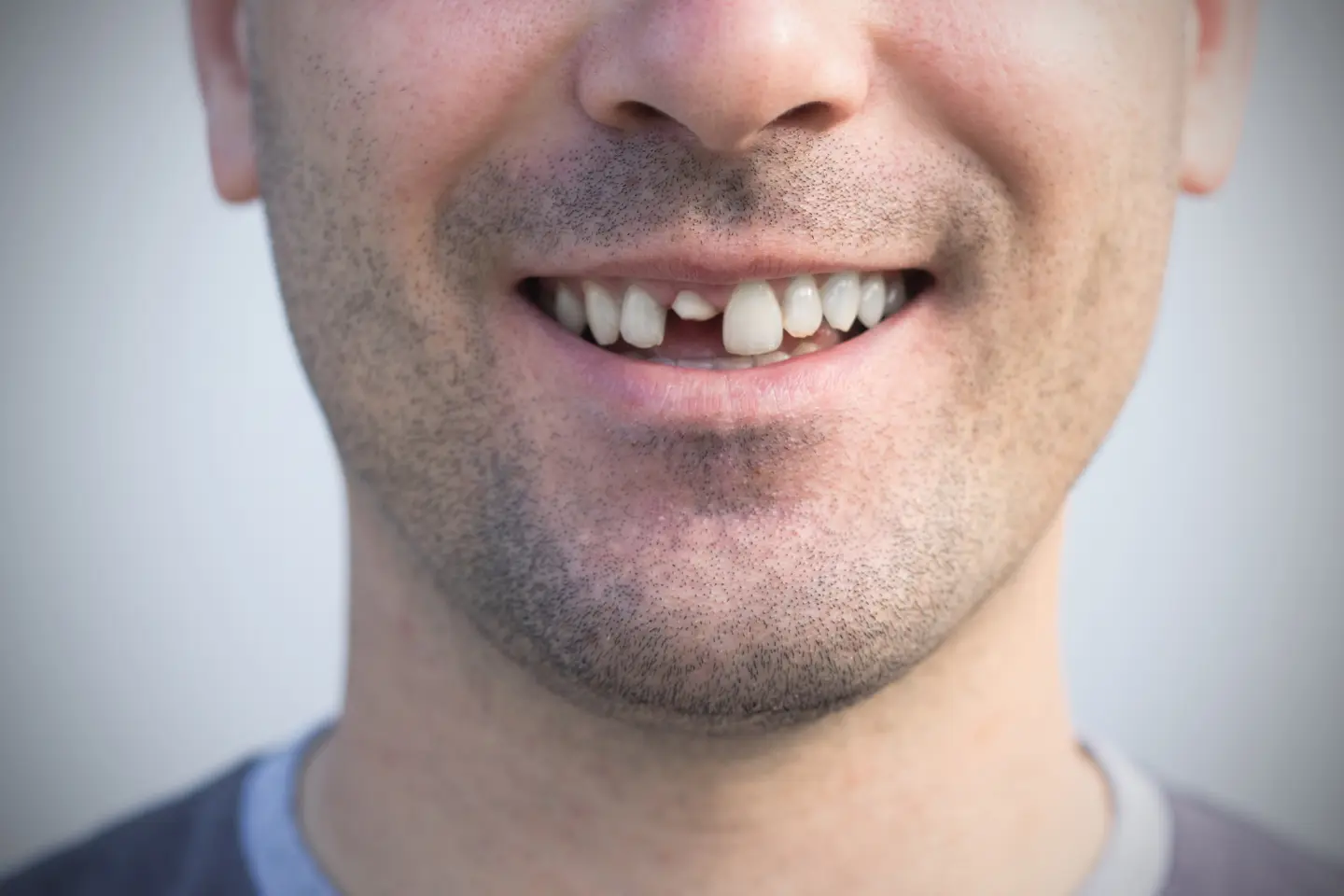
Chipped, uneven, or discoloured teeth can affect how you feel about your smile. Composite bonding is one of the quickest and most cost-effective ways to enhance your smile — often with little to no drilling and injections, and usually completed in just two visits.
What is Composite Bonding?
Composite bonding involves applying a tooth-coloured resin to the surface of the teeth to reshape, resize, or improve their colour. It’s minimally invasive and preserves your natural tooth structure.
We offer two types:
- Full-surface bonding (Veneer) to reshape entire teeth
- Edge bonding to fix chips or create a more uniform smile
Ideal for:
- Chipped or cracked teeth
- Uneven edges
- Staining or discoloration
- Mild wear and tear
- Improving smile aesthetics
Why Patients Love It:
- No needles or drilling
- Completed in just one visit
- Affordable alternative to veneers
- Immediate and natural-looking results
Why Does the Cost of Composite Bonding Vary?
The growing popularity of composite bonding has led to a wide range in pricing—and quality. Lower prices can sometimes mean compromises in:
- Composite quality and Bonding Technique
- Dentist experience and training
- Time spent on precision and shaping
Composite bonding isn’t just cosmetic—it requires planning, precision, and a deep understanding of how your smile fits your face, your bite, and even your speech. Done well, it should last for years and look completely natural.
Ceramic Veneers
If you’re looking for a long-lasting, premium solution to transform your smile, ceramic veneers offer exceptional durability and aesthetics. Made from high-quality porcelain, they mimic the translucency and shine of natural enamel—providing a flawless result that resists staining over time.
What are Ceramic Veneers?
Ceramic veneers are ultra-thin shells of porcelain that are custom-made to cover the front surface of your teeth. They are bonded securely in place to correct imperfections in shape, size, alignment, and colour—creating a natural and balanced smile.
Ideal for:
- Severely discoloured or stained teeth
- Uneven or worn teeth
- Gaps between teeth
- Misshapen or slightly misaligned teeth
- Smile makeovers requiring high aesthetic precision
Why Patients Love It:
- Premium, long-lasting aesthetic solution, 15+ years
- Resistant to staining and discolouration
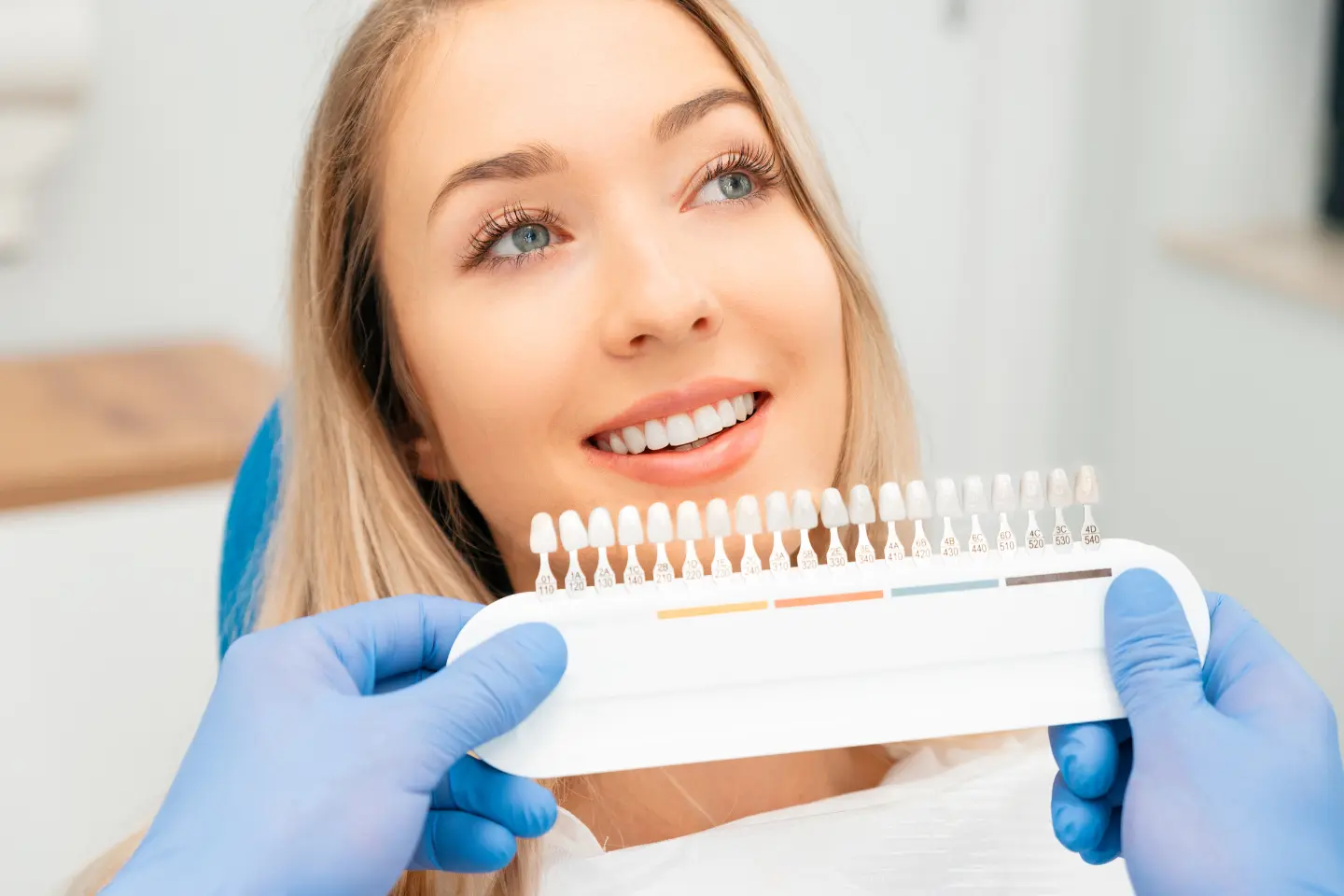
- Custom shade and shape to suit your facial features
- Natural, translucent finish that reflects light like real enamel
Why Does the Cost of Ceramic Veneers Vary?
It’s well known that ceramic veneers typically cost at least three times more per tooth than composite veneers, reflecting their durability, strength, and the precision required. This cost difference reflects the longevity, strength of the materials, and precision involved. Factors that influence pricing include:
- Quality and type of porcelain used
- Dentist and dental technician’s skill and experience
- Time invested in smile design and preparation
- Complexity of your case and number of veneers required
Ceramic veneers are an investment in both function and aesthetics. When designed with care and precision, they can redefine your smile for ten years or more—enhancing both your confidence and the natural beauty of your teeth.
Frequently Asked Questions
Is teeth reshaping painful? No — reshaping (contouring or bonding) is typically painless and often doesn't require any anaesthetic.
How long does teeth reshaping take? Simple contouring can be completed in one short visit; composite bonding for larger changes may take a little longer.
Is reshaping permanent? Enamel contouring is permanent since it removes a small amount of tooth structure; composite bonding can be repaired or replaced over time.
Will reshaping damage my teeth? No — only a small, safe amount of enamel is removed where needed, and the process is carefully controlled.
Who is a good candidate for reshaping? Patients with minor chips, uneven edges, or slightly irregular tooth shapes are typically good candidates.
How long do results last? Enamel reshaping is permanent, while bonding typically lasts several years with good care and can be touched up if needed.
Can reshaping fix a gap between my teeth? Yes — composite bonding is commonly used to close small gaps between front teeth.
Interested in Reshape your teeth?
Meet the people who care


.png)





Stay updated with dental
wellness tips







.webp)
.png)