



.svg)


Tooth Extraction in Swanland
Find out what to expect from tooth extraction in Swanland, from diagnosis to aftercare, with a focus on comfort and patient care.

Nobody comes looking for information about tooth extraction because things are going well. If you're on this page, something is probably bothering you, whether that's a tooth that's been painful for a while, some unexpected news at a recent dental appointment, or a lingering worry you've been putting off dealing with. Whatever's brought you here, the most important thing to know is that tooth extraction, when it's needed, is a straightforward procedure that's carried out every day in dental practices across the country, and the relief most patients feel afterwards is considerable.
For patients in Swanland and the surrounding area, Willerby Dental Care provides tooth extraction as part of a comprehensive range of dental treatments, carried out with care, precision, and a genuine commitment to making the experience as comfortable as possible.
When Do Patients Actually Need a Tooth Extracted?
Preserving natural teeth is always the first goal in dentistry, and extraction is never recommended unless there's a clear clinical reason for it. That said, there are situations where removing a tooth is genuinely the most appropriate course of action, and knowing what those are helps make sense of a recommendation you might receive.
Severe decay that has progressed too far to be saved with a filling, crown, or root canal treatment is one of the most common reasons for extraction. When there simply isn't enough healthy tooth structure remaining to support a restoration, removal becomes the most practical and comfortable solution.
Advanced gum disease that has caused significant bone loss around a tooth can leave it so poorly supported that saving it is no longer a realistic option. In those cases, extraction and replacement planning is the way forward.
Impacted wisdom teeth are another frequent reason for extraction. When wisdom teeth don't have enough room to emerge properly, they can become partially or fully stuck beneath the gum, leading to pain, infection, and problems for the neighbouring teeth. Removing them resolves those issues and prevents further complications.
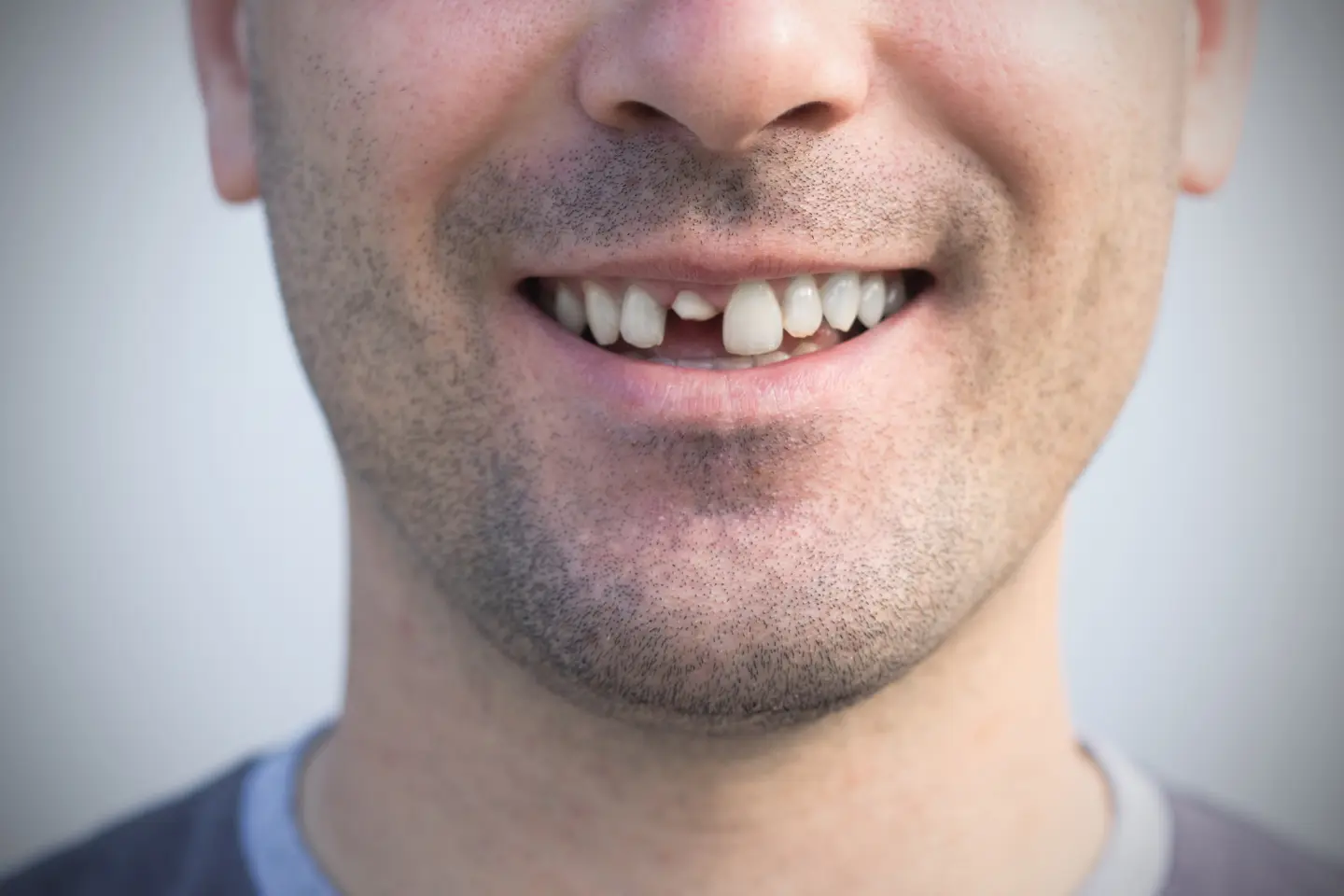
Teeth that are cracked or fractured in a way that extends too deeply to be repaired, or teeth that have become infected and pose a risk to surrounding structures, may also need to be extracted. Your dentist will always discuss the full picture with you before any decision is made, so you understand exactly why a particular tooth can't be saved before extraction is proceeded with.
What to Expect During Tooth Extraction in Swanland
One of the biggest sources of anxiety around tooth extraction is simply not knowing what the experience will be like. The reality is considerably more manageable than most people anticipate, and understanding what happens during the procedure goes a long way toward easing that worry beforehand.
Before anything begins, a local anaesthetic is administered to thoroughly numb the area around the tooth. You will feel pressure during the procedure, but not pain, and the team will check you're comfortable before proceeding. If you feel anything beyond pressure at any point during treatment, let the dentist know immediately.
Once the area is numb, the tooth is carefully loosened using specialist instruments before being gently removed. For straightforward extractions, this is usually a quicker process than patients expect. More complex cases, such as impacted wisdom teeth or teeth with curved roots, take a little longer and may involve a slightly more involved technique, but the same principle of working carefully and keeping you comfortable throughout applies equally.
After the tooth has been removed, gauze is placed over the socket to help a blood clot form and the healing process to begin. You'll receive clear aftercare instructions before leaving the practice, covering everything from what to eat and drink to how to keep the area clean in the days that follow.
Recovery After Tooth Extraction: What Swanland Patients Should Expect
Most patients are pleasantly surprised by how manageable recovery from tooth extraction is when they follow the aftercare guidance provided. The first twenty-four hours are the most important in terms of protecting the blood clot that forms in the socket, as this clot is what allows healing to proceed normally.
During the first day, avoid rinsing vigorously, using a straw, smoking, or eating on the side of the extraction. These can all dislodge the clot and lead to a condition called dry socket, which causes a more pronounced and longer-lasting soreness in the area. Over-the-counter pain relief handles any discomfort well for most patients during this period.
From the second day onwards, gentle warm saltwater rinses help keep the area clean and support the healing tissue. Sticking to softer foods for the first few days takes pressure off the extraction site and makes eating more comfortable while things settle. Most patients find they're back to eating normally within a week or so, though this varies depending on the complexity of the extraction and the individual.
Replacing a Missing Tooth After Extraction in Swanland
Extraction is rarely the end of the story, and thinking about what comes next is an important part of the overall treatment conversation. Leaving a gap where a tooth has been removed isn't simply a cosmetic concern. Over time, neighbouring teeth can drift toward the space, the opposing tooth can shift, and the jawbone in the area gradually reduces in volume without a root to stimulate it. All of this can affect bite, facial appearance, and the complexity of any future dental work.
At Willerby Dental Care, we discuss tooth replacement options as part of the extraction consultation, so you have a complete picture before treatment begins rather than afterwards.
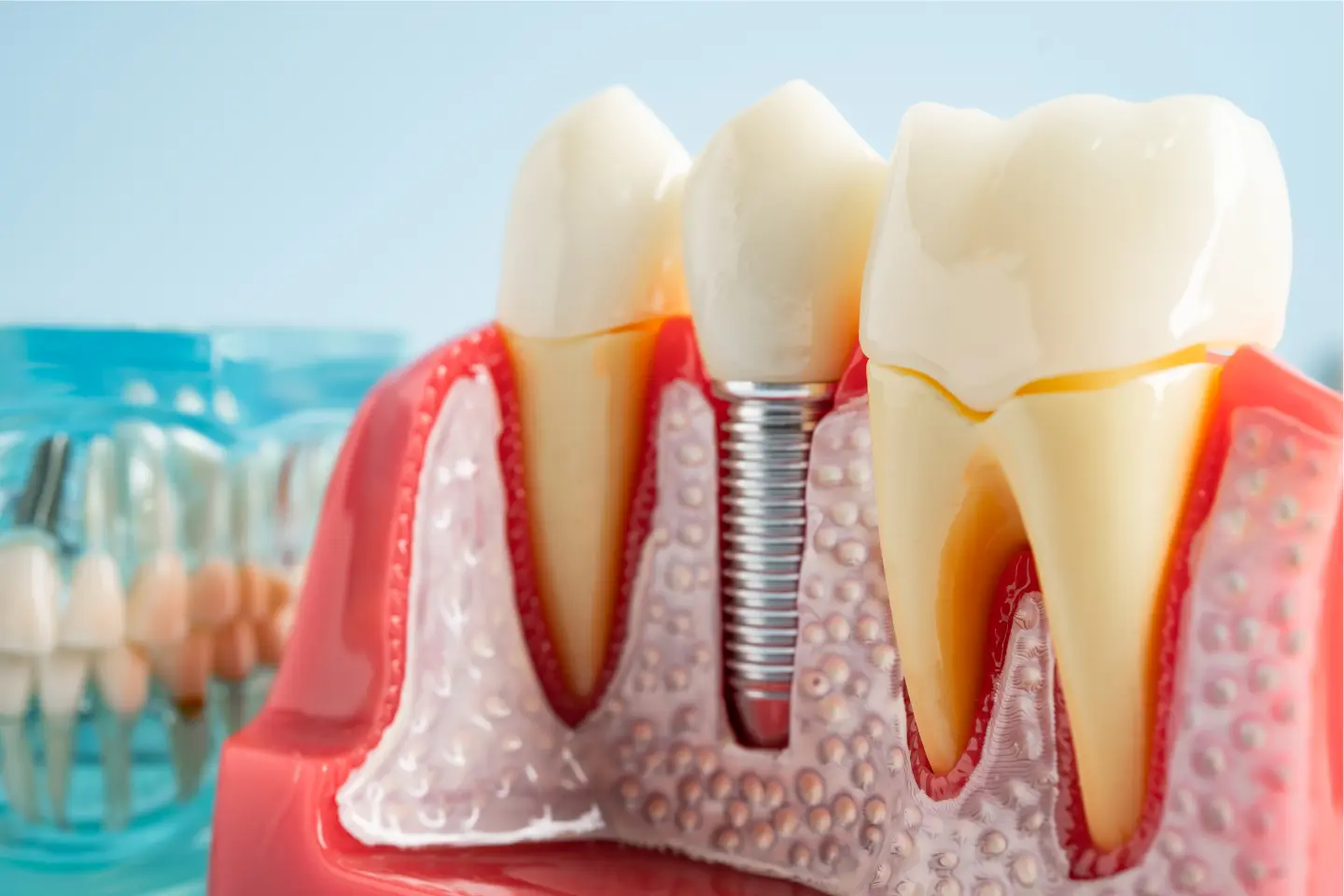
Dental implants are considered the gold standard for replacing a single missing tooth, as they replicate the root structure and help preserve the jawbone. A bridge is another effective option that doesn't involve surgery. A partial denture offers a more immediately accessible and affordable solution for suitable patients.
The right choice depends on your individual circumstances, and your dentist will talk through the options clearly and without pressure so you can make a decision that feels right for your situation and your long-term oral health.
Book Your Tooth Extraction Consultation in Swanland Today
If you've been putting off dealing with a troublesome tooth, the best thing you can do is get it looked at sooner rather than later. In most cases, addressing the problem early means more options and a simpler outcome than leaving it to progress further.
Willerby Dental Care is here for patients across Swanland and the surrounding area, providing tooth extraction and a full range of follow-up restorative care in a setting where you'll always be treated with patience and respect. We understand that dental procedures can feel daunting, and we take that seriously at every stage of your care.
Get in touch today to book your consultation. Whatever is going on with your tooth, we'll give you a straight, honest assessment and help you work out the best path forward.
Willerby Dental Care, trusted dental care for patients across Swanland and the wider East Yorkshire area.
Frequently Asked Questions About Tooth Extraction in Swanland

Prefer a virtual consultation?
Stay updated with dental
wellness tips










.webp)
.png)